
Nutritionist Recommendations for Vision Care
Discover how essential nutrients support eye health and long-term vision wellness through evidence-based nutritional guidance.
The information on this site is for educational purposes only and does not constitute medical advice. Always consult a qualified healthcare professional before making health decisions.
Key Nutritional Focus Areas
Antioxidants
Lutein, zeaxanthin, and vitamin C protect eye tissue from oxidative damage and support macular health.
Omega-3 Fatty Acids
Essential for retinal function and tear film stability, supporting comfortable and clear vision throughout daily life.
Vitamins & Minerals
Zinc, vitamin A, and B vitamins maintain corneal clarity and support healthy vision function at the cellular level.
Blood Flow Support
Flavonoids and polyphenols promote healthy circulation to ocular tissues, ensuring optimal nutrient delivery.
Essential Nutrients for Eye Health
Vision depends on a complex interplay of nutrients working together to maintain eye structure and function. Nutritionists recommend a comprehensive approach to dietary intake that addresses multiple aspects of ocular wellness. The right combination of antioxidants, minerals, and healthy fats creates a foundation for long-term vision support.
Your eyes are among the most nutrient-dense organs in your body. They require continuous support from essential micronutrients to maintain their specialized functions, from light perception to color recognition. Understanding which foods provide these critical nutrients empowers you to make informed dietary choices that benefit your visual wellness.
Carotenoid-Rich Foods
Dark leafy greens, orange vegetables, and colorful berries provide concentrated sources of lutein and zeaxanthin.
Fatty Fish & Seeds
Salmon, mackerel, and flaxseeds deliver omega-3 and omega-6 polyunsaturated fats essential for retinal structure.
Nutrient Synergy
Combining foods strategically enhances nutrient absorption and maximizes their protective effects on eye tissue.
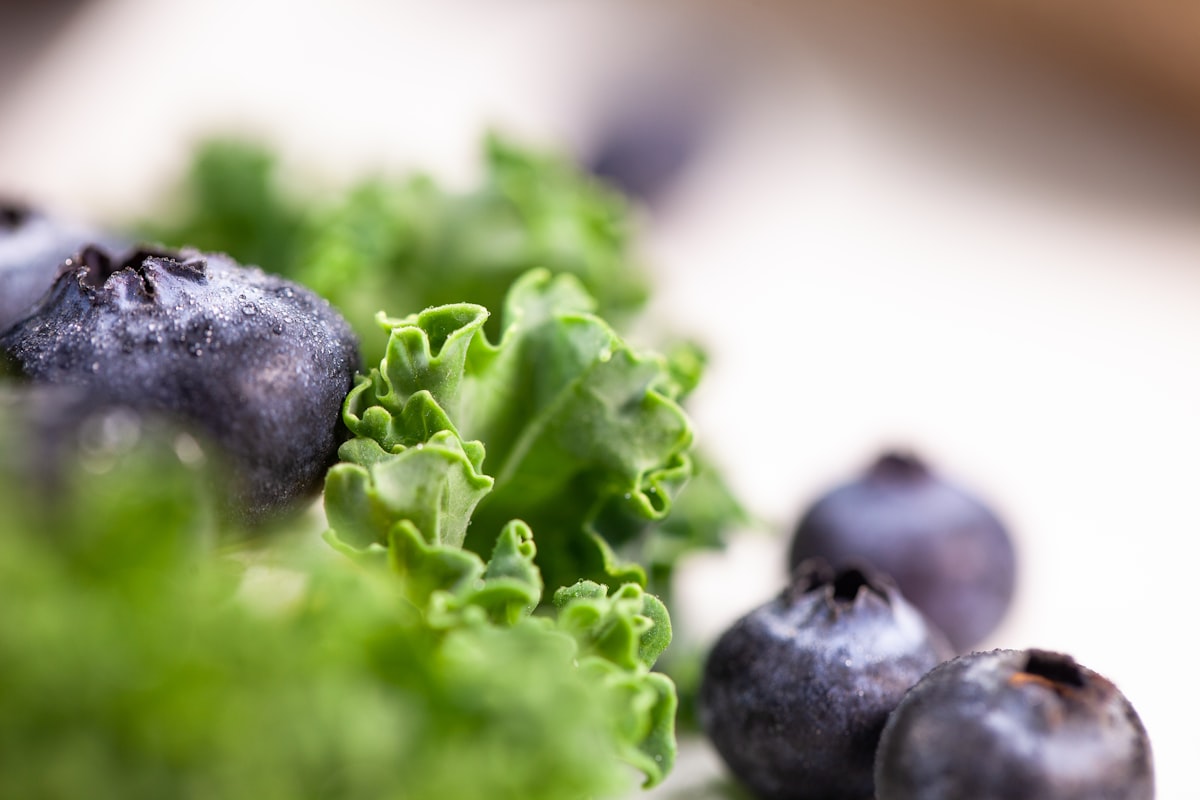
Nutritionist-Recommended Nutrients
Lutein and Zeaxanthin
These xanthophyll carotenoids accumulate in the macula and lens, acting as natural blue-light filters. Nutritionists emphasize their importance for protecting sensitive retinal tissue from photooxidative damage.
Found in: Spinach, kale, collard greens, broccoli, and Brussels sprouts.
Vitamin A and Beta-Carotene
Vitamin A is essential for synthesizing rhodopsin, the visual pigment in retinal rod cells. Beta-carotene serves as a dietary precursor that your body converts to vitamin A as needed.
Found in: Sweet potatoes, carrots, winter squash, and cantaloupe.
Omega-3 Fatty Acids
DHA comprises approximately 50% of the retina's photoreceptor outer segment membranes. EPA supports healthy inflammatory responses in ocular tissues. These long-chain polyunsaturates are critical for sustained vision function.
Found in: Wild salmon, sardines, mackerel, and algae supplements.
Antioxidant Vitamins
Vitamins C and E work synergistically to neutralize free radicals and prevent oxidative stress in the eye. These nutrients support the eye's natural defense mechanisms against age-related changes.
Found in: Citrus fruits, berries, almonds, and sunflower seeds.
Zinc and Copper
These mineral cofactors are essential for antioxidant enzyme function in retinal tissue. Zinc supports night vision and helps maintain the integrity of the blood-retinal barrier.
Found in: Oysters, beef, pumpkin seeds, and cashews.
Flavonoids and Polyphenols
These plant compounds provide powerful antioxidant and anti-inflammatory benefits. They support healthy blood circulation to the eyes and protect against vascular changes that affect vision.
Found in: Dark chocolate, green tea, blueberries, and red grapes.
Building Your Vision-Supporting Nutrition Plan
Assess Your Current Intake
Review your weekly diet to identify which vision-supporting nutrients you consume regularly and where gaps exist. Keep a food journal for 3-4 days to establish baseline patterns.
Diversify Your Plate
Aim to incorporate vegetables of different colors, fatty fish twice weekly, and variety in nuts and seeds. This natural diversity ensures you receive a broad spectrum of complementary nutrients.
Focus on Whole Foods
Prioritize unprocessed, minimally refined foods where nutrients exist in their natural context with supporting compounds that enhance absorption and bioavailability.
Monitor and Adjust
Evaluate how dietary changes affect your visual comfort and clarity. Track patterns over several weeks, noting any improvements in eye fatigue or visual performance.
Nutrient-Rich Foods for Vision Care
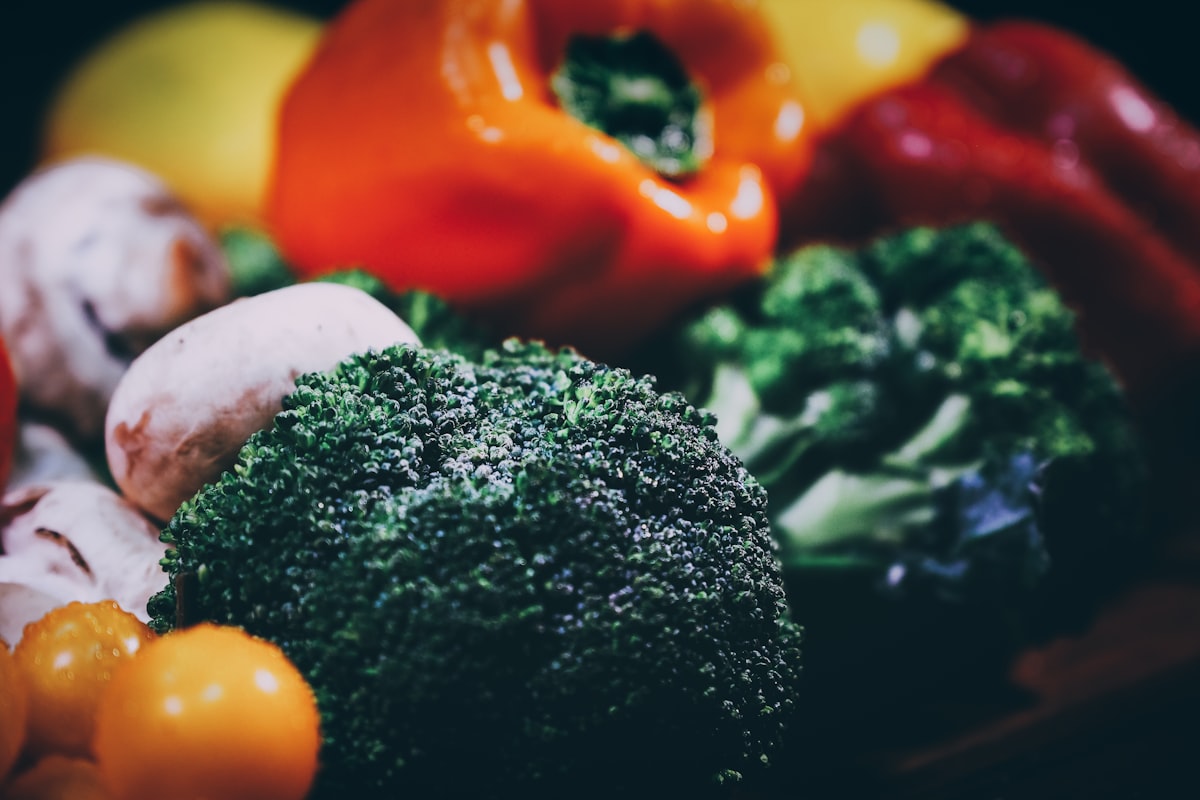
Dark Leafy Greens
Spinach, kale, and collard greens are among the most nutrient-dense foods for vision support, providing concentrated amounts of lutein, zeaxanthin, and vitamins A, C, and K.

Fatty Fish
Wild-caught salmon, mackerel, and sardines deliver optimal amounts of EPA and DHA, the long-chain omega-3 fatty acids essential for retinal health and visual function.
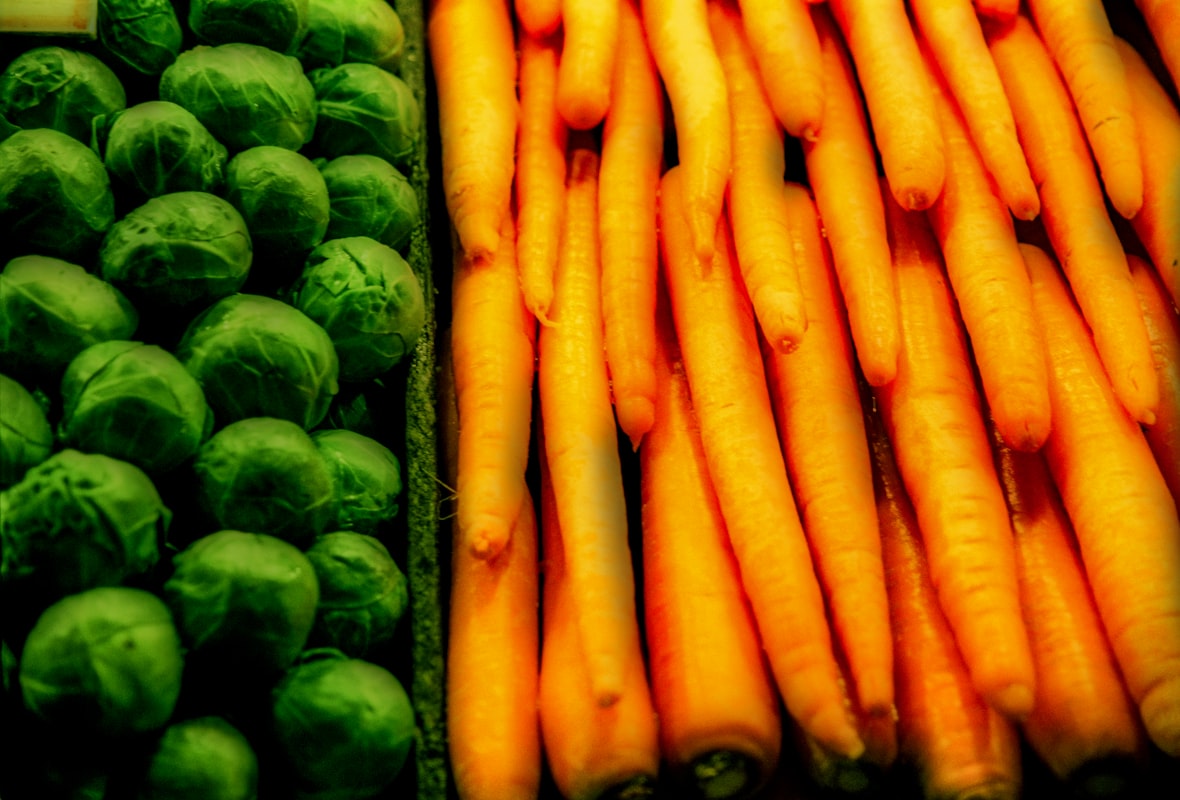
Berries & Citrus
Blueberries, strawberries, and citrus fruits are rich in vitamin C and anthocyanins, powerful antioxidants that protect eye tissue from oxidative damage and support vascular health.
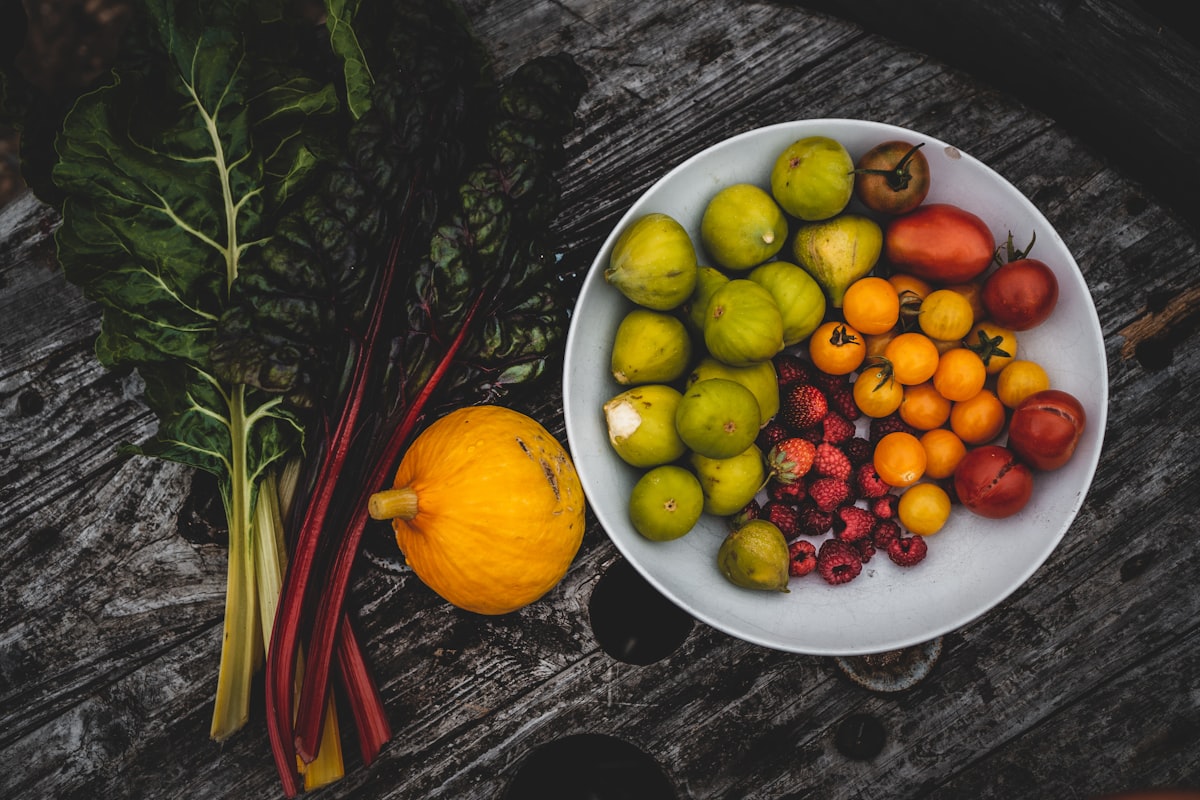
Nuts & Seeds
Almonds, sunflower seeds, and flaxseeds provide vitamin E, zinc, and omega-3 fatty acids. These nutrient-dense snacks support multiple aspects of ocular wellness.
Common Vision and Nutrition Questions
Success Stories from Our Readers
"After implementing the nutritionist recommendations from this guide, I noticed a significant reduction in my daily eye strain within three weeks. The specific food suggestions made it easy to incorporate vision-supporting nutrients into my regular meals without complicated changes. My visual clarity has improved noticeably, especially by evening."
Sarah Wijaya
Jakarta, Indonesia
"As someone who works with screens all day, I found the guide invaluable for understanding which nutrients directly support eye health. The focus on whole foods rather than supplements resonated with me, and I've adjusted my diet accordingly. My eye comfort during work has improved considerably, and I feel more confident about my long-term vision wellness."
Budi Santoso
Surabaya, Indonesia
"Kineonaw's holistic approach transformed my understanding of vision care. As someone who spends hours at the computer, I was skeptical about natural solutions. But the science-backed strategies and practical tips have made a real difference. My eye fatigue has decreased significantly, and I appreciate the emphasis on prevention over quick fixes."
Maya Patel
Mumbai, India
Ready to Transform Your Vision Health?
Join thousands of people who have discovered the power of natural, science-backed vision wellness with Kineonaw.
No spam. Just science-backed insights delivered monthly.