
Nutritionist Recommendations for Vision Care
Discover how proper nutrition and dietary choices can support your eye health and vision clarity. Evidence-based guidance from nutrition experts.
The information on this site is for educational purposes only and does not constitute medical advice. Always consult a qualified healthcare professional before making health decisions.
Vision Health By The Numbers
of vision problems are preventable through proper nutrition and lifestyle choices
essential nutrients your eyes need daily for optimal function and protection
years earlier age-related changes can be delayed with antioxidant-rich foods
better eye health outcomes in those who follow nutrition guidelines consistently
Essential Nutrients for Eye Health
Your eyes require specific nutrients to maintain clarity, protect against oxidative stress, and support long-term vision function. Understanding which foods provide these nutrients is the foundation of nutritionist-recommended vision care.
The combination of antioxidants, vitamins, minerals, and healthy fats works together to strengthen your visual system and reduce age-related changes. By incorporating these nutrient-dense foods into your daily diet, you take an active role in protecting your vision.
Learn About Key Nutrients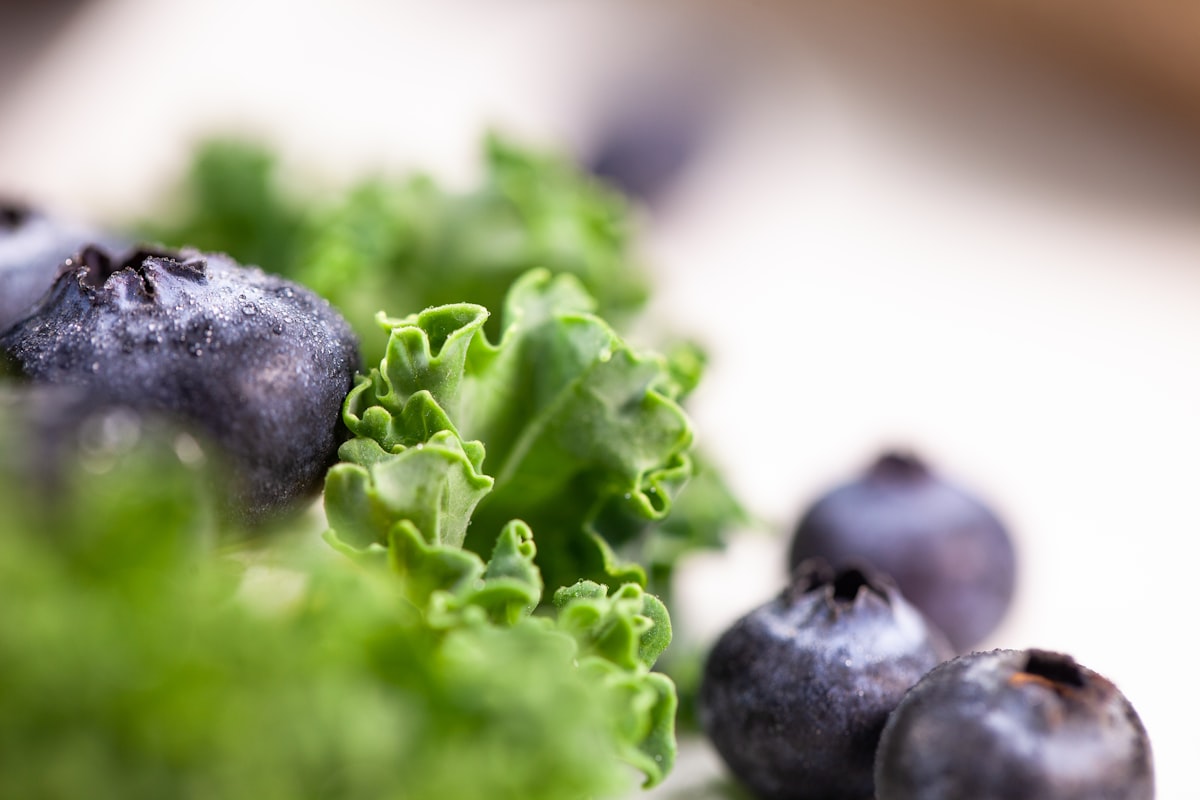
Recommended Foods for Clear Vision
Leafy Green Vegetables
Rich in lutein and zeaxanthin, these compounds filter harmful light and protect the macula. Spinach, kale, and collard greens are nutritionist-recommended staples for daily vision support.
Orange & Yellow Produce
Carrots, sweet potatoes, and pumpkin contain beta-carotene, which converts to vitamin A. This nutrient supports night vision and helps your eyes adapt to different light levels effectively.
Fatty Fish
Salmon, mackerel, and sardines provide omega-3 fatty acids that support retinal function and reduce inflammation in eye tissues. These are cornerstone foods in vision-focused nutrition plans.
Berries & Citrus
Blueberries, strawberries, and oranges are packed with vitamin C and anthocyanins. These powerful antioxidants protect your eyes from oxidative damage and support blood vessel health.
Nuts & Seeds
Almonds, sunflower seeds, and walnuts contain vitamin E, zinc, and healthy fats that protect eye cells and support overall ocular function. Include daily for optimal nutritional support.
Eggs
Eggs contain lutein, zeaxanthin, and zinc—a powerful combination for eye health. The nutrients in egg yolk are easily absorbed and highly beneficial for vision support.
Why Choose Our Vision Nutrition Guidance
Evidence-Based Recommendations
Our guidance is grounded in nutritional science and peer-reviewed research about food components that support vision function.
Practical Dietary Strategies
We provide actionable meal ideas and food combinations that make it easy to incorporate vision-supporting nutrients into your daily eating patterns.
Personalized Nutrition Approach
Nutritionists understand that individual dietary needs vary. Our recommendations respect your preferences, allergies, and lifestyle constraints.
Holistic Eye Health
We address the complete picture: how diet influences eye function, supports healthy aging of visual tissues, and protects against environmental challenges.
Common Questions About Nutrition & Vision
Nutritional changes begin supporting eye health immediately at the cellular level. However, visible improvements in clarity and visual comfort typically appear within 4-8 weeks of consistent dietary changes. Long-term benefits—like reduced age-related changes—develop over months and years. The key is maintaining these nutritional habits regularly.
Nutrition is one critical pillar of vision care, but optimal eye health depends on multiple factors: regular eye exams, adequate sleep, reduced screen time, UV protection, and managing overall health conditions. Nutritionists recommend combining dietary strategies with these other protective behaviors for comprehensive vision support throughout your life.
No single nutrient works alone. Lutein and zeaxanthin protect the macula, vitamin A supports light detection, omega-3 fatty acids maintain retinal structure, vitamin C and E fight oxidative stress, and zinc enables proper nutrient absorption. A balanced intake of all these nutrients, rather than high doses of one, provides the best support for your visual system.
Rather than strict avoidance, nutritionists recommend reducing foods that promote inflammation: excess refined sugars, highly processed oils, and foods with high sodium. These can accelerate age-related eye changes. Focus on adding colorful, nutrient-dense whole foods rather than completely eliminating categories. This positive approach is more sustainable and aligns with overall health.
Yes. Research shows that nutritional interventions help older adults maintain visual clarity and slow age-related vision changes at any stage of life. The eye's tissues continue to respond to nutrient delivery, and antioxidants help protect against accumulated damage. It's never too late to start supporting your vision through better nutrition.
What Our Readers Say (Individual results may vary)
"I've learned more about how food supports my vision in these articles than anywhere else. The specific nutrients explained and food combinations provided are easy to understand and implement. Within two months of following the recommendations, I noticed my eyes felt less tired at the end of the day and my vision seemed clearer. This content genuinely changed my approach to eating."
Siti Rahma
Jakarta
"As someone with a family history of vision problems, I wanted to take preventive steps. The nutrition guidance here is practical and backed by real research. I appreciate that it's not pushing supplements but focusing on whole foods I can eat every day. I feel more proactive about my long-term vision health."
Bambang Dharma
Bandung
"I spend hours daily on screens for work. The advice about nutrients that protect against digital eye strain has been a game-changer. The articles explain why certain foods matter and give me meal ideas I actually enjoy. I'm now recommending these guides to everyone in my office who complains about tired eyes."
Lina Wijaya
Surabaya
"I was skeptical that food could really make a difference, but the science explained here is convincing. The detailed breakdown of nutrients and which foods contain them made it easy to make better choices. My partner and I have completely changed our eating habits, and we both feel the benefits. This is trustworthy, practical information."
Ahmad Hidayat
Medan
Your Vision Care Journey
Learn About Vision Nutrients
Start by understanding which nutrients your eyes need and how they function. Our comprehensive guides explain vitamin A, C, E, lutein, zeaxanthin, omega-3 fatty acids, and zinc in clear, accessible language. This knowledge foundation helps you make informed food choices.
Identify Your Current Eating Patterns
Assess which vision-supporting foods you already eat and which are missing from your diet. Recognize patterns that may work against eye health—excessive processed foods, insufficient antioxidants, or inadequate omega-3 intake. This honest evaluation guides your personalization strategy.
Create Your Nutrition Plan
Build a practical meal strategy that incorporates vision-supporting foods you enjoy. Use our recommended food combinations and recipe ideas to make nutritious eating sustainable. Focus on gradual changes rather than drastic overhauls—consistency matters more than perfection.
Monitor and Sustain Your Progress
Track how you feel and notice any improvements in visual comfort, clarity, or eye fatigue. Maintain regular eye exams to monitor objective changes. Continue your nutrition habits long-term—vision health is an ongoing practice, not a short-term fix.
Explore Our Vision & Nutrition Resources
Dive deeper into the science behind nutrition and vision care with our comprehensive guides, nutrient breakdowns, and practical strategies for supporting your eye health through food choices.